
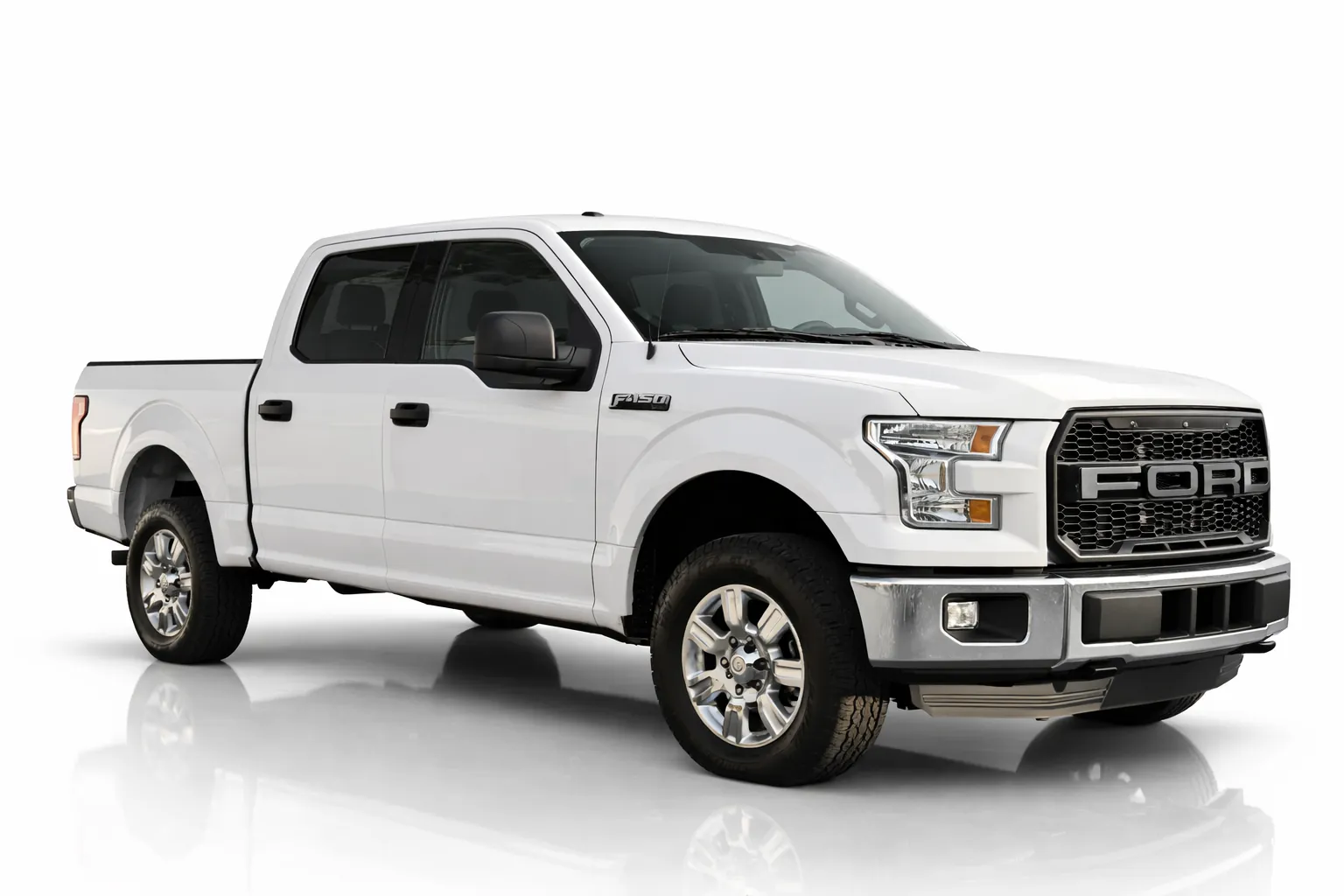
The used truck market in Nebraska doesn’t behave like coastal markets. Mileage tends to be higher, rust can show up from winter road treatment, and buyers usually care more about towing and reliability than trim badges. That shapes which used Ford F-150 models make sense—and which ones don’t.
This isn’t a trim-by-trim brochure. It’s a breakdown of which years, engines, and configurations actually hold up in Nebraska conditions, what they cost in real terms, and where they fall short.
why the f-150 dominates nebraska listings
The F-150 has been the best-selling truck in the U.S. for decades. That shows up clearly in Nebraska listings. Search inventory around Omaha, Lincoln, Grand Island, or Kearney, and the ratio is obvious: more F-150s than Silverado, Ram, and Sierra combined.
That matters for buyers. More supply means:
- Wider price spread
- Easier parts availability
- More independent shop familiarity
There’s also a cultural angle. In central Nebraska counties, it’s common to see base XL work trucks with 200,000 miles still in daily use. That’s not hype—it’s just how these trucks get used.
how nebraska conditions affect used truck value
Nebraska isn’t especially mountainous, but the climate does real damage over time.
winter corrosion
Road salt in cities like Omaha and Lincoln eats:
- Frame rails
- Brake lines
- Rear leaf spring mounts
Trucks from western Nebraska often show less rust. Drier conditions help.
highway miles vs farm miles
A 2016 F-150 with 140,000 highway miles between Lincoln and North Platte can be cleaner than a 90,000-mile farm truck. Farm use means:
- Dust ingestion
- Idling hours
- Trailer wear
Mileage alone doesn’t tell the story.
towing expectations
Even half-ton trucks here often tow regularly:
- Livestock trailers
- Equipment
- Boats
That makes engine choice more important than trim.
best used f-150 years to buy in nebraska
2015–2017: aluminum body, simple turbo setup
Ford switched to aluminum body panels in 2015. That reduced rust issues compared to older steel trucks.
Key engines:
- 2.7L EcoBoost V6
- 3.5L EcoBoost V6
- 5.0L V8
Why these years work:
- No 10-speed transmission yet
- Less complex electronics than newer trucks
- Strong fuel economy for the class
Trade-offs:
- Early EcoBoost engines can develop carbon buildup
- Interior tech feels dated
Real example: A 2016 XLT SuperCrew in Lincoln with 120,000 miles typically lists around $18,000–$22,000 depending on condition.
2018–2020: refined drivetrains, better interiors
Ford introduced the 10-speed automatic in 2018. It improves highway efficiency and towing behavior, but it’s not flawless.
Key engines:
- Updated 2.7L EcoBoost
- Updated 3.5L EcoBoost
- 5.0L V8 (revised for 2018)
Why they work:
- Better ride quality
- Improved infotainment (SYNC 3)
- Strong resale value
Trade-offs:
- Some owners report harsh shifting in early 10-speed units
- Repair costs higher than 6-speed models
Typical Nebraska pricing:
- $24,000–$32,000 for XLT/Lariat trims with 70k–120k miles
2021–2023: new generation, hybrid option
The 2021 redesign brought a cleaner interior and the PowerBoost hybrid.
Key engines:
- 2.7L EcoBoost
- 3.5L EcoBoost
- 5.0L V8
- 3.5L PowerBoost hybrid
Why they stand out:
- Best-in-class towing tech
- Onboard generator (Pro Power Onboard)
- Improved ride comfort
Trade-offs:
- Higher used prices
- More electronics to maintain
In Nebraska:
- A 2021 XLT PowerBoost with 50k miles can still sit near $40,000
engines that make sense in nebraska
5.0l v8: simple, predictable, thirsty
The 5.0 V8 remains popular in rural counties.
Pros:
- Straightforward design
- Strong resale
- Good for long-term ownership
Cons:
- Fuel economy sits around 15–20 mpg
- Less low-end torque than turbo engines
Best for:
- Buyers keeping the truck past 200k miles
2.7l ecoboost: underrated workhorse
This engine gets overlooked but performs well.
Pros:
- Strong torque for towing
- Better fuel economy (20–24 mpg highway)
- Lower purchase price
Cons:
- Turbo components add complexity
- Not as widely trusted as the V8 in rural markets
Best for:
- Daily drivers who tow occasionally
3.5l ecoboost: maximum towing capability
This is the most common engine in higher trims.
Pros:
- High torque
- Excellent towing numbers
- Works well with 10-speed transmission
Cons:
- More maintenance points
- Timing chain and cam phaser issues reported in some model years
Best for:
- Regular towing above 7,000 lbs
powerboost hybrid: useful but situational
Introduced in 2021.
Pros:
- Strong torque
- Quiet operation
- Built-in generator useful for job sites
Cons:
- Expensive
- Limited long-term reliability data compared to older engines
Best for:
- Contractors needing onboard power
trims that actually matter in used listings
xl and xlt: where most value sits
These trims dominate Nebraska listings.
XL:
- Basic interior
- Vinyl or cloth seats
- Work-focused
XLT:
- Adds infotainment
- Better resale
- More comfortable for daily use
In practice, XLT hits the balance point for most buyers.
lariat and above: comfort costs money
Lariat, King Ranch, Platinum, Limited.
Pros:
- Leather interiors
- Advanced tech
- Better sound systems
Cons:
- Higher repair costs
- Electronics age poorly
A 2019 Platinum might look appealing at $35k, but long-term ownership costs can climb fast.
price ranges across nebraska
Actual listings fluctuate, but the ranges hold steady:
- 2015–2017: $15,000–$25,000
- 2018–2020: $22,000–$35,000
- 2021–2023: $32,000–$50,000
Location matters:
- Omaha: higher prices, cleaner trucks
- Rural areas: lower prices, more wear
where to find used f-150s in nebraska
dealerships
Franchise dealers in Omaha and Lincoln:
- Higher prices
- Certified options
- Financing available
Independent lots:
- Lower prices
- Less warranty coverage
private sellers
Common in rural areas:
- Facebook Marketplace
- Local classifieds
Advantages:
- Lower prices
- More negotiation
Risks:
- Limited maintenance records
- No warranty
auctions and fleet sales
Some of the best deals come from:
- Utility companies
- Construction fleets
These trucks often have:
- High mileage
- Consistent maintenance
what to inspect before buying
frame and underbody
Check:
- Rust on crossmembers
- Fuel and brake lines
- Rear suspension mounts
Nebraska winters leave marks.
transmission behavior
Especially for 2018+ models:
- Rough shifting
- Delayed engagement
Test drive at multiple speeds.
turbo health (ecoboost)
Listen for:
- Whining noises
- Power loss under load
Turbo replacement isn’t cheap.
service records
Look for:
- Oil change intervals
- Transmission service
- Timing chain work
Trucks used for towing need stricter maintenance.
real example from a nebraska listing
A 2018 F-150 XLT SuperCrew listed in Omaha:
- 3.5L EcoBoost
- 98,000 miles
- Tow package
- Asking price: $27,500
Observations:
- Clean interior
- Minor rust starting on rear frame
- Transmission shifts slightly firm
This is typical. Not perfect, but usable. That’s the market here.
common mistakes buyers make
focusing on trim over condition
A clean XLT beats a worn Platinum every time.
ignoring rust
Surface rust turns into structural issues fast.
overpaying for low mileage
A 60k-mile truck isn’t automatically better than a 120k-mile one.
skipping inspection
Independent inspection costs $150–$200. Skipping it costs more later.
long-term ownership costs
Annual maintenance averages:
- Oil changes: $80–$120 each
- Tires: $800–$1,200 every 40k–60k miles
- Brake service: $300–$800
Major repairs:
- Turbo replacement: $1,500–$3,000
- Transmission work: $3,000–$5,000
These numbers reflect real shop rates in Nebraska.
resale value in nebraska
F-150s hold value well locally.
Reasons:
- Constant demand
- Farm and contractor use
- Familiarity with repairs
A well-maintained truck can retain 60–70% of its value over five years.
the trade-offs that matter
No used truck is perfect.
F-150 strengths:
- Availability
- Engine options
- Resale value
Weak points:
- Transmission complaints in newer models
- EcoBoost complexity
- Interior wear in lower trims
The trade-offs are practical, not theoretical.
In Nebraska, the best used F-150 isn’t the newest or the most expensive. It’s the one with a clean frame, consistent maintenance, and the right engine for how it’ll be used.
A 2016 XLT with the 5.0 V8 and 120,000 miles often makes more sense than a 2021 Platinum loaded with electronics and unknown history.
That’s how people here buy trucks.

Comments (0)
No comments yet.